

Window Repairs Near Me
Add a review FollowOverview
-
Posted Jobs 0
-
Viewed 32
Company Description
Five Killer Quora Answers To Window Crack Repair
Window Crack Repair: A Comprehensive Guide
Windows are more than just openings in a structure; they are important for natural light, ventilation, and energy performance. However, they are likewise prone to damage, specifically from fractures. While minor cracks might seem harmless, they can quickly escalate into significant concerns if left unaddressed. This comprehensive guide checks out the steps and factors to consider associated with repairing window cracks, offering property owners with the knowledge to keep the stability of their windows.
Understanding Window Cracks
Window fractures can happen due to various reasons, including:
- Temperature Fluctuations: Extreme changes in temperature can trigger glass to expand and contract, resulting in stress fractures.
- Effect Damage: Accidents, such as a ball hitting the window or hailstorms, can cause fractures.
- Age and Wear: Over time, the materials in windows can break down, making them more prone to splitting.
- Poor Installation: Improperly installed windows can establish fractures due to unequal pressure or bad sealing.
Identifying the Type of Crack
Before attempting any repair, it’s crucial to determine the kind of fracture:
- Hairline Cracks: These are great, frequently hardly visible cracks that do not typically encompass the edges of the window.
- Tension Cracks: These are usually larger and can range from one edge of the window to another.
- Bull’s Eye Cracks: These are circular cracks that happen from a direct impact.
- Star Cracks: These are multiple cracks radiating from a single point of impact.
Tools and Materials Needed
- Epoxy Resin: For small cracks, epoxy resin can be used to fill the gaps.
- Clear Silicone Sealant: This can be utilized to seal the edges and avoid water infiltration.
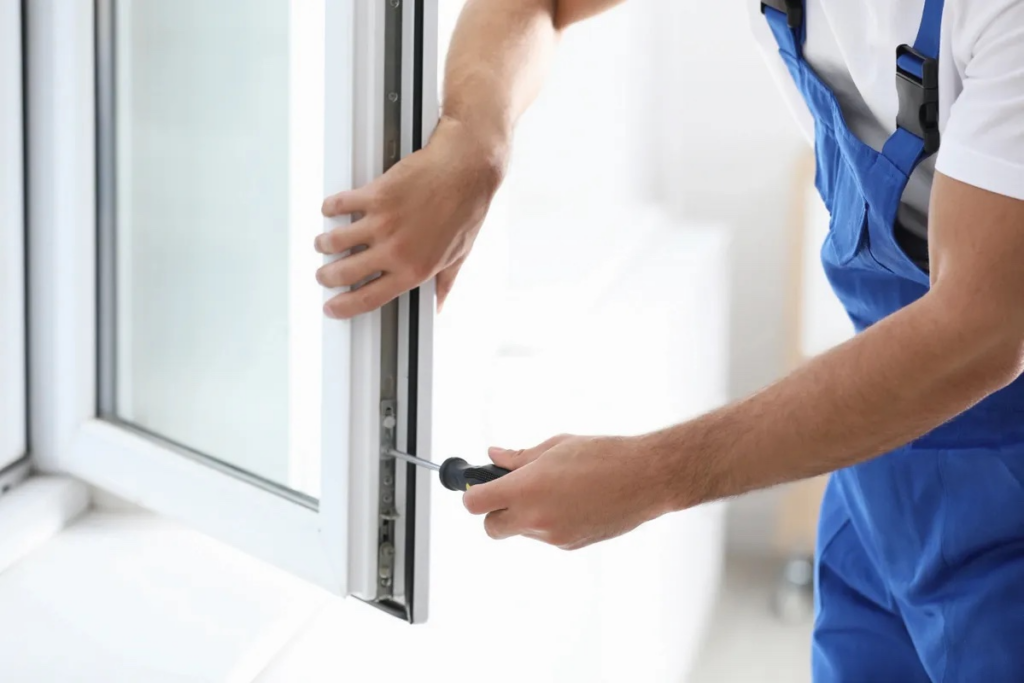
- Screwdriver and Pliers: Useful for removing old glazing and hardware.
- Scraping Tool: For getting rid of old putty or caulk.
- Masking Tape: To protect the surrounding area from adhesive.
- Security Gear: Gloves, security goggles, and a dust mask are necessary.
Step-by-Step Guide to Repairing Minor Cracks
-
Clean the Area:
- Use a mild cleaning agent and water to clean up the window and the surrounding area.
- Dry the surface thoroughly with a tidy fabric or towel.
-
Apply Masking Tape:
- Place masking tape on both sides of the fracture to prevent the epoxy from spreading.
-
Prepare the Epoxy Resin:
- Follow the manufacturer’s directions to mix the epoxy resin.
- Guarantee the resin is smooth and free of lumps.
-
Inject the Epoxy:
- Use a syringe or a comparable tool to inject the epoxy into the crack.
- Work from one end to the other, ensuring the fracture is entirely filled.
-
Smooth the Surface:
- Use a plastic scraper or a putty knife to smooth the epoxy over the crack.
- Remove excess epoxy to achieve a flush surface area.
-
Allow to Cure:
- Let the epoxy treatment according to the maker’s guidelines, generally 24-48 hours.
- Prevent touching or applying pressure to the area during this time.
-
Remove the Tape:
- Carefully peel the masking tape to expose the repaired location.
-
Apply Clear Silicone Sealant:
- Apply a thin layer of clear silicone sealant around the edges of the window to guarantee a watertight seal.
Professional Repair for Major Cracks
For significant cracks, such as those that jeopardize the structural integrity of the window, it is a good idea to look for expert help. Here are the steps an expert might follow:
-
Assess the Damage:
- A professional will assess the degree of the damage and determine if the window can be fixed or requires to be replaced.
-
Remove the Damaged Glass:
- Using specialized tools, the professional will carefully remove the damaged glass to prevent further damage to the frame.
-
Prepare the Frame:
- The frame will be cleaned and any old putty or caulk will be eliminated.
-
Install New Glass:
- A brand-new piece of glass will be cut to fit the window frame and set up utilizing glazing substance or new putty.
-
Seal and Finish:
- The professional will apply a new seal around the edges and finish the repair to guarantee it is both practical and visually pleasing.
Preventing Future Cracks
Prevention is essential to preserving the stability of your windows. Here are some pointers:
- Regular Maintenance: Check your windows yearly for indications of wear or damage.
- Appropriate Installation: Ensure that brand-new windows are installed correctly to prevent uneven pressure.
- Use Tempered Glass: Tempered glass is more powerful and more resistant to cracks than regular glass.
- Safeguard from Elements: Use window coverings or awnings to shield windows from direct sunshine and harsh climate condition.
Frequently asked questions
Q: Can I repair a cracked quick window repair myself?A: Minor hairline cracks can often be repaired with epoxy resin and clear silicone sealant. However, significant cracks or those that jeopardize the window’s structure need to be attended to by a professional to ensure security and efficiency.
Q: How long does epoxy require to cure?A: The curing time for epoxy resin can vary depending upon the item. Generally, it takes 24-48 hours to totally cure. Constantly follow the manufacturer’s directions for the very best outcomes.
Q: What if the fracture is too big to repair with epoxy?A: If the fracture is too large or if it runs from one edge of the window crack repair to another, the window should be replaced. Trying to repair such a fracture with epoxy may not work and might position security threats.
Q: How frequently should I inspect my windows for fractures?A: It is suggested to check your windows at least once a year, especially before the beginning of extreme weather condition conditions like winter or summertime. Routine evaluations can help capture problems early and prevent them from ending up being more severe.
Q: Can I prevent fractures from forming in the very first location?A: While it’s difficult to avoid all cracks, routine maintenance, correct setup, and utilizing stronger products like tempered glass can considerably lower the possibility of cracks forming.

Window fractures can be an annoyance, however with the ideal knowledge and tools, they can be successfully managed. For small fractures, a DIY technique utilizing epoxy resin and clear silicone sealant can be both cost-efficient and simple. However, for significant cracks, it is constantly best to consult an expert to make sure a safe and appropriate repair. By comprehending the causes of fractures and taking preventive procedures, homeowners can maintain the performance and charm of their windows for years to come.
Additional Resources
- Local Hardware Stores: These shops often carry the needed tools and materials for window Crack repair fracture repairs.
- Professional Window Repair Services: For major repairs, think about hiring an expert from a credible window repair service.
- Online Tutorials: There are lots of online resources and video tutorials that can provide extra guidance on foggy window repair repair strategies.