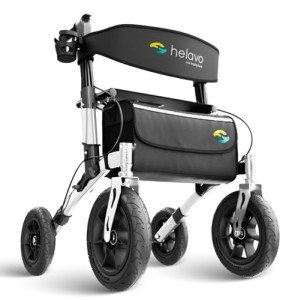

Stylish Walker
Add a review FollowOverview
-
Posted Jobs 0
-
Viewed 2
Company Description
The 10 Most Terrifying Things About Comfortable Walker
The Comfortable Walker: Finding the Right Balance Between Comfort and Mobility
When it pertains to mobility help, there’s a huge selection of choices available, but few are as essential as the walker. A comfortable walker can substantially enhance the quality of life for individuals needing support for walking. In this post, we will look into the important aspects of a comfortable walker, compare some top models in a detailed table, and supply insights through FAQs to help in selecting the ideal walker for your requirements.
What is a Comfortable Walker?
A comfortable walker is developed to supply support while enabling the user to preserve balance, posture, and freedom of motion. The most effective walkers come with Innovative Rollator Features that focus on comfort, such as adjustable height, cushioned grip handles, lightweight frames, and even additional elements like integrated seats and storage compartments.
Secret Features of a Comfortable Walker
- Adjustable Height: Ensuring the walker is at the best height for the user is necessary to promote great posture and efficient mobility.
- Cushioned Hand Grips: Soft manages can lower pressure on the hands throughout usage, preventing fatigue and boosting convenience.
- Weight Capacity: Selecting a Non-Slip Walker that accommodates the user’s weight can enhance stability and safety.
- Wheels vs. No Wheels: Some walkers feature wheels for much easier maneuverability, while others are designed without wheels for more stability.
- Storage Options: Walkers with baskets or pouches help users bring individual products with ease.
Let’s take a closer look at a few of the most popular comfortable walkers on the marketplace.
Comparison Table: Comfortable Walkers
| Invacare Walker | Yes (32″-37″) | 300 pounds | 2 front wheels | Foldable, convenience grips | ₤ 78.00 |
| Drive Medical 10210 | Yes (29″-38″) | 300 lbs | 4 wheels | Lightweight aluminum, padded seat | ₤ 89.99 |
| Hugo Walker | Yes (32″-38″) | 300 lbs | 4 wheels | Removable storage bag, padded back-rest | ₤ 85.00 |
| Medline Reliable Rollator Walker | Yes (30″-37″) | 350 pounds | 4 wheels | Foldable, cushioned seat | ₤ 99.99 |
| Lumex Walkabout Junior | Yes (30″-36″) | 250 pounds | 4 wheels | Adjustable back-rest, seat, and deals with | ₤ 119.00 |
Summary of Walker Features
- Weight Capacity: All walkers listed have a capability ranging from 250-350 pounds, essential for guaranteeing security and stability.
- Wheeled vs. Non-Wheeled: While 4-wheeled walkers provide easier movement, they typically need a little more strength to navigate.
- Foldability: Most models are created to be portable and easy to save when not in usage.
Health Benefits of Using a Comfortable Walker
A Comfortable Walker (Hedgedoc.digillab.uni-augsburg.de) can supply many health advantages, including:
- Enhanced Stability: Protects users from falls, which is necessary for preserving independence.
- Increased Mobility: Facilitates much easier motion and involvement in day-to-day activities, lowering seclusion.
- Enhanced Posture: Encourages proper posture and body positioning, reducing stress on the back and joints.
- Strength and Endurance: Using a walker can help strengthen core and leg muscles gradually, boosting total mobility.
Picking the Right Walker
Selecting the correct walker is vital for convenience and effectiveness. Here are some aspects to think about:
- Consult with a Healthcare Professional: Always start with professional assistance, especially if there are specific medical conditions affecting mobility.
- Test for Fit: If possible, attempt a number of designs to assess which fits best in regards to height and balance.
- Display User’s Needs: As mobility conditions change, upgrading the walker might end up being needed.
- Evaluate Storage Needs: Consider individual products that might need to be carried along and decide if built-in storage is essential.
FAQs About Comfortable Walkers
Q1: What if my walker doesn’t feel comfortable?
A1: Many walkers featured adjustable heights and devices. If pain continues, consulting with a doctor can help identify underlying concerns.
Q2: How do I maintain my walker?
A2: Regularly examine the screws, wheels, and grips for wear and tear. Tidy it utilizing moderate soap and water, preventing abrasive products.
Q3: Can I use a walker on unequal surfaces?
A3: While many walkers are flexible, it’s vital to choose a walker with sturdy wheels and brakes for stability on irregular terrain.
Q4: Are there walkers created for outdoor use?
A4: Yes, some walkers are created with larger wheels and shock absorbers, making them appropriate for outdoor terrains.
Q5: How often should I change my walker?
A5: If your walker reveals indications of wear, or if your mobility needs change, it might be time to buy a brand-new model for security and comfort.
A comfortable walker is an invaluable tool that makes it possible for people to keep their self-reliance and improve their quality of life. With a series of features and designs available, every user can discover a walker that suits their special needs. By focusing on comfort, stability, and performance, a well-chosen walker can cause a more satisfying and active lifestyle. Constantly keep in mind that investing in mobility help is a financial investment in overall well-being. Whether you’re assisting yourself or a loved one, comprehending the significance of comfort in mobility aids is necessary for making the ideal option.