

Range Hood
Add a review FollowOverview
-
Posted Jobs 0
-
Viewed 2
Company Description
11 “Faux Pas” Which Are Actually OK To Create Using Your Cooker Extractor Fan
The Essential Guide to Cooker Extractor Fans: Enhancing Your Kitchen Experience
In modern kitchens, the cooker extractor fan is an indispensable appliance that typically goes unnoticed until it’s time to prepare a meal. This practical gadget serves multiple purposes: it assists to get rid of smoke, steam, odors, and excess heat that can arise throughout cooking. With kitchens ending up being the heart of the home, understanding the significance, types, and functions of cooker extractor fans is vital. This extensive guide will take a more detailed take a look at what cooker extractor fans are, their advantages, how to pick the best one for your kitchen, and resolve some often asked questions.
What is a Cooker Extractor Fan?
A cooker extractor fan, often referred to as a range hood or kitchen hood, is created to ventilate the kitchen environment by removing air-borne impurities produced throughout cooking. These contaminants consist of smoke, grease particles, steam, and unpleasant odors. The fan works by either filtering the air and recirculating it back into the kitchen or expelling it outside, depending on the type of extractor fan.
Advantages of Using a Cooker Extractor Fan
Setting up a cooker extractor fan in your kitchen features a huge selection of advantages:
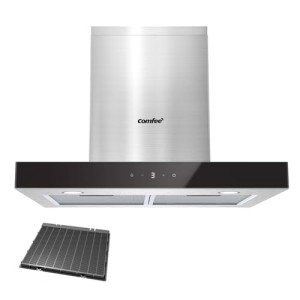
| Improves Air Quality | Gets rid of smoke, smells, and damaging particles, promoting much healthier indoor air. |
| Improves Comfort | Keeps the kitchen cooler and more enjoyable, specifically during heavy cooking. |
| Lowers Grease Build-Up | Prevents grease from deciding on surface areas, lengthening the life of your kitchen. |
| Decreases Excess Humidity | Decreases the wetness level in the air, preventing mold and mildew. |
| Enhances Overall Kitchen Aesthetics | Lots of models are developed to be trendy and boost the kitchen décor. |
Types of Cooker Extractor Fans
When it comes to selecting the right cooker extractor fan, understanding the different types readily available is crucial. Below is a breakdown of the main types.
| Chimney Extractor Fan | Mounted on the wall above the stove; consists of a chimney to vent outside. | Efficient for big kitchens; aesthetic appeal. | Installation can be cumbersome. |
| Under-Cabinet Extractor Fan | Set up under kitchen cabinets; compact and space-saving. | Suitable for small kitchens; simple setup. | Less effective than chimney versions. |
| Island Extractor Fan | Hangs from the ceiling above an island stove; offers a modern look. | Trendy and functional; effective suction. | Requires sufficient ceiling height; more expensive. |
| Recirculating Extractor Fan | Filters and cleans air before returning it to the kitchen; no ductwork needed. | Much easier to set up; reliable in apartments. | Requires frequent filter replacement. |
| Downdraft Extractor | Constructed into the counter top; rises when required to catch smoke and smells. | Space-saving and discreet; helpful for modern kitchens. | Normally less efficient; typically costly. |
Key Features to Consider
When picking a cooker extractor fan, it is vital to understand the functions that contribute to its functionality and appeal. Here are some important functions to bear in mind:
-
Extraction Rate: Measured in cubic meters per hour (m3/h), the extraction rate suggests how successfully the fan can ventilate your kitchen. Ideally, choose a fan with an extraction rate that meets the requirements of your cooking practices.
-
Sound Level: Measured in decibels (dB), a quieter fan is generally preferred. Look for a model with a low noise level, particularly if your kitchen is open to living areas.
-
Size and Design: Choose a size that matches your kitchen area. Focus on the visual appeal too, as extractor fans can vary significantly in style.
-
Ducting Options: Some extractor fans vent the air outside, while others recirculate it. If you have the choice for outdoors ducting, it is normally more effective at eliminating odors and contaminants.
-
Control Options: Look for designs with user-friendly controls– some may provide touch controls, remote control alternatives, or smart innovation combination.
Regularly Asked Questions (FAQs)
1. Do I require a cooker extractor fan for my kitchen?While it is not
lawfully required, having a cooker extractor fan is highly recommended to preserve air quality, reduce grease buildup, and guarantee a comfortable cooking environment.
2. How do I clean and preserve my extractor fan?Regular upkeep includes cleaning up the filters (which can be washable or disposable)and wiping down the outside with non-abrasive cleaners. Follow the maker’s instructions for in-depth maintenance standards. 3. How frequently must I replace the filters?This depends on the kind of
filters used. Recirculating filters must be replaced every 3 to 6 months, while grease filters might only need cleaning or changing once a year. 4. Can I use an extractor fan if my kitchen doesn’t have external ventilation?Yes, you can use a recirculating extractor
fan that filters the air before launching it back into the kitchen. However, be prepared
to change filters often. 5. What size extractor fan do I need?The size depends on your cooking habits and kitchen measurements. As a basic guideline, the fan needs to be at
least as large as your cooking surface area, with an extraction rate of 10 times the kitchen volume per hour being perfect. A cooker extractor fan is more than simply a home appliance; it is a necessary component of a well-kept kitchen. By effectively getting rid of smoke, smells, and steam, it enhances the general cooking experience while promoting a healthy living environment. When selecting an extractor fan, think about the types readily available, their essential functions, and the advantages they bring to your home. With appropriate care and maintenance, a cooker extractor fan will serve you dependably for lots of years, guaranteeing your kitchen remains a pleasant and welcoming space for cooking creativity.