
Pram Uk
Add a review FollowOverview
-
Posted Jobs 0
-
Viewed 2
Company Description
Pram Or Pushchair Tips To Relax Your Everyday Lifethe Only Pram Or Pushchair Trick That Every Person Must Be Able To
Pram or Pushchair: A Comprehensive Guide for New Parents
Selecting the right mode of transport for children is one of the first substantial decisions brand-new parents face. With various choices on the market, the debate between prams and pushchairs can be overwelming. This post will provide in-depth insights into the differences between prams for sale and pushchairs, their requirements, benefits and drawbacks, and what to consider before purchasing.
Comprehending Prams and Pushchairs
At its core, the choice in between a pram and a pushchair lies in their style and planned use.
Definitions:
-
Pram: A pram, short for “perambulator,” is created primarily for newborns. It features a flat, carrycot-style seat that allows the baby to lie down entirely flat. Prams are often more elegant and are intended for transferring infants who are not yet sitting up separately.
-
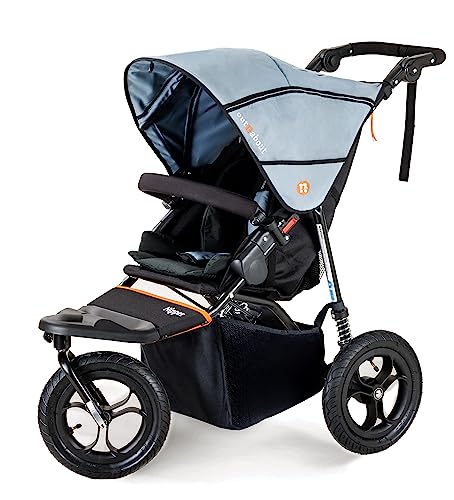
Pushchair: A pushchair, likewise called a stroller, is developed for older babies and young children who can sit up. Pushchairs typically have an upright seat and might not recline totally flat, although many designs now provide adjustable reclining alternatives for convenience.
Secret Differences:
| Age of Use | Newborn to about 6 months | 6 months to 4 years or more |
| Seating Position | Flat, lying down | Upright or a little reclined |
| Weight | Usually heavier | Typically lighter |
| Portability | Less portable due to weight | More portable and simpler to fold |
| Usage Case | Brief strolls, leisurely walks | Daily use, errands, longer trips |
Advantages and Disadvantages
Pram
Advantages:
- Comfort for Newborns: Provides a flat surface conducive to a newborn’s developmental requirements.
- Stylish Designs: Many good prams come with sophisticated designs, offering a touch of luxury.
- Storage Space: Sometimes include bigger storage alternatives below.
Drawbacks:
- Weight: Generally heavier and bulkier than pushchairs.
- Minimal Usage: Suitable only for newborns and infants who can not stay up.
Pushchair
Benefits:
- Versatility: Suitable for older babies and toddlers, typically accommodating them for several years.
- Light-weight and Portable: Easier to fold and transport, making them ideal for hectic parents.
- Configurable Options: Many pushchairs have adjustable seats and attachments for safety seat and carrycots.
Disadvantages:
- Comfort for Newborns: Not always ideal for infants in the early months without an appropriate insert.
- Less Luxurious: Often viewed as less elegant compared to prams.
Making the Right Choice
When it comes to deciding in between a pram and pushchair, a number of factors must be thought about:
1. Lifestyle:
- If parents frequently make long trips or choose walks, a pram store near me might be preferential.
- If they need to navigate through city streets or take public transport, a light-weight pushchair may be better.
2. Budget plan:
Pricing can differ commonly. Understanding your monetary limits will help concentrate on choices that meet both visual and useful requirements.
3. Adaptability:
Some progressive solutions consist of travel systems that enable moms and dads to shift from an automobile seat to a pushchair with the same base, offering optimum versatility.
4. Storage Space:
A pram might use up more room in a car or in the house, while a pushchair’s ability to fold down can be a substantial benefit in tighter spaces.
Frequently asked questions
Q1: Can I use a pushchair for newborns?
A1: Some pushchairs come with bassinet accessories or fully reclining seats, making them suitable for newborns. Nevertheless, it’s vital to check the specs before usage.
Q2: How do I pick the best design?
A2: Consider your way of life, budget plan, and the features you prioritize, such as weight, mobility, and storage options.
Q3: Are prams and pushchairs safe for my baby?
A3: Yes, both prams and pushchairs are designed with security functions. Look for models with a 5-point harness, strong brakes, and protected frames.
Q4: How long can I use a pram for?
A4: A pram is usually suitable till a baby can stay up unassisted, generally around 6 months.
Q5: What are travel systems?
A5: Travel systems are mixes of a cars and truck seat and a pushchair that work in tandem, permitting easy shifts from automobile to pushchair without requiring to remove the baby.
Picking between a pram and a pushchair ultimately boils down to the requirements and way of life preferences of each household. Prams use comfort and design for babies, while pushchairs provide flexibility and ease for older babies and toddlers. By thoroughly thinking about individual circumstances and requirements, parents can make an educated choice that will ensure safe and satisfying outings with their little ones.
In the end, whether one select a stylish double pram pushchair or a practical pushchair, the main goal stays the same– ensuring comfort and security for the child while assisting in benefit for moms and dads.