

Manual Treadmill For Walking
Add a review FollowOverview
-
Posted Jobs 0
-
Viewed 2
Company Description
The 9 Things Your Parents Taught You About Walking Pad Non Electric
Exploring the Benefits of Walking Pads: The Non-Electric Choice
In the age of contemporary physical fitness solutions, where technology rules supreme and elegance is frequently associated with electrical machines, a new trend is emerging in useful exercise: the non-electric walking pad. These basic yet reliable tools are catching the interest of fitness enthusiasts and casual walkers alike.

In this thorough guide, we will explore what walking pads are, their advantages, comparisons with standard treadmills, and offer responses to often asked questions.
What is a Walking Pad?
A walking pad is a compact exercise platform created mainly for walking, jogging, or light running. Unlike standard treadmills which depend on electrical power, non-electric walking pads operate on a manual system. Users move themselves forward by walking or running, utilizing their own body weight.
Secret Features of Non-Electric Walking Pads:
- Compact Design: Most walking pads are light-weight and foldable, making them easy to store and transport.
- User Controlled: The speed and strength of the workout depend on the user’s own effort.
- No Plug Required: Perfect for energy-conscious people, these pads require no power consumption.
- Silent Operation: A quieter alternative to electric treadmills, making them appropriate for homes or shared spaces.
Benefits of Using Non-Electric Walking Pads
Utilizing a non-electric Walking Pad Non Electric pad presents a series of benefits. Below are some of the popular benefits:
| Cost-efficient | Non-electric models are generally more budget friendly than their electric counterparts, making them accessible to a wider audience. |
| Enhanced Flexibility | Users can stroll or jog at their own speed, which is specifically advantageous for newbies or those recuperating from injuries. |
| Space-Saving Design | Due to their compact size, walking pads fit conveniently in smaller spaces, making them ideal for office or home usage. |
| Low Maintenance | Without any electrical elements, these pads require very little maintenance and are less most likely to break down. |
| Ecologically Friendly | No electricity means no ecological effect from energy usage, making them a great option for eco-conscious customers. |
Comparing Non-Electric Walking Pads to Traditional Treadmills
| Power Source | Manual Folding Treadmill (user-Self Powered Walking Treadmill) | Electric (plugged in) |
| Cost | Lower upfront expense | Higher preliminary investment |
| Size | Compact and portable | Larger, typically stationary |
| Noise Level | Really peaceful | Can be loud, depending upon motor and utilize |
| Modification | Minimal user settings | Substantial settings (speed, incline, programs) |
| Physical Engagement | Greater intensity and effort required | Easier to use however may motivate less engagement |
How to Use a Non-Electric Walking Pad
Using a non-electric walking pad is simple. Here’s an easy step-by-step guide:
- Set Up: Place the walking pad on a flat, stable surface area.
- Adjust the Pad: Ensure that it is at a comfortable position for use– most pads have adjustable angles to tailor the walking experience.
- Warm-Up: Before making use of the pad, carry out a quick warm-up routine, which can consist of gentle stretching.
- Start Walking: Step onto the pad and begin walking at a moderate rate. As your speed increases, you will observe the pad moving.
- Display Your Intensity: Pay attention to your heart rate and how you feel. Adjust your speed according to your fitness level.
- Cool off: Gradually lower your speed before stepping off the pad, followed by cooldown stretches.
Best Practices for Using Walking Pads
To make the most of the benefits of non-electric walking pads, think about the following suggestions:
- Incorporate Variety: Alternate in between walking and running for a full-body exercise.
- Engage Your Core: Maintain excellent posture by keeping your core engaged while using the pad.
- Hydration: Remember to hydrate before and after your exercise.
- Consistency: Aim to utilize the walking pad regularly. Start with 15-20 minutes and slowly increase the duration.
Frequently Asked Questions
1. How effective are non-electric walking pads for weight loss?
Non-electric walking pads can be effective for weight reduction when used regularly in conjunction with a healthy diet. Since they need more effort, they can enable greater calorie expense during workouts.
2. What is the weight capacity of many walking pads?
The majority of non-electric walking pads can support people approximately 250-300 pounds, depending upon the design. Always check the manufacturer’s specifications for accurate details.
3. Are there any advised brand names for walking pads?
Some popular brand names consist of InMovement, ProForm (manual models), and ECHANFIT, each offering a series of features customized to diverse user choices.
4. Can non-electric walking pads be utilized outdoors?
These walking pads are typically designed for indoor usage. Utilizing them outdoors might expose them to weather conditions that could impact their durability.
5. How do I store a walking pad?
Lots of non-electric walking pads are foldable. Merely fold them up and store them in a closet, under a bed, or any practical area.
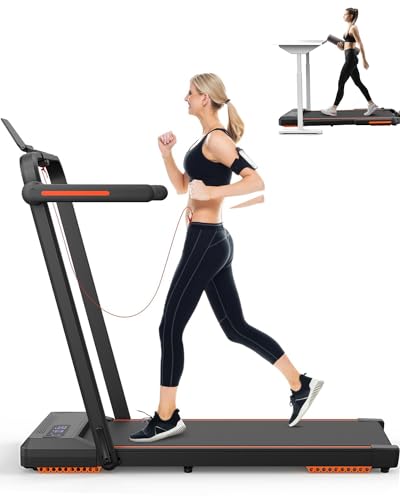
Non-electric walking pads use an unique and effective aerobic exercise option that highlights simpleness and ease of access. By allowing users to produce their physical fitness program without the restrictions of power cables and complicated user interfaces, these pads empower people across various fitness levels.
For anybody searching for an inexpensive, space-saving, and reliable alternative to traditional exercise equipment, exploring the world of non-electric walking pads may be the ideal next action in their physical fitness journey. By selecting to invest in one of these flexible tools, individuals can promote healthier practices while enjoying the empowering experience of motion on their own terms.