

C2 Goethe Prüfung
Add a review FollowOverview
-
Posted Jobs 0
-
Viewed 2
Company Description
The Expert Guide To Goethe B1
Navigating Goethe B1: A Comprehensive Guide to German Language Proficiency
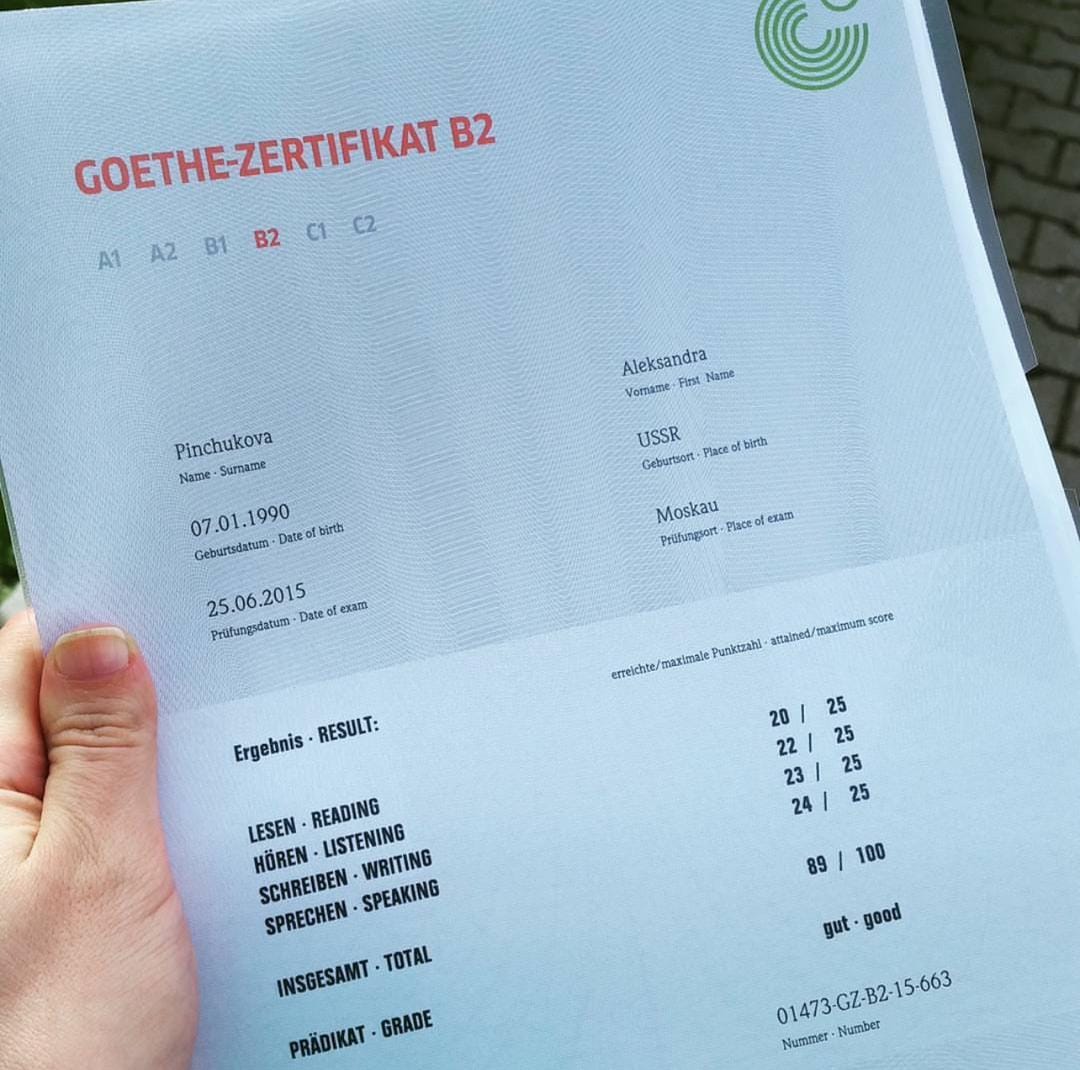
The Goethe B1 exam is a crucial turning point for many students of the German language. As a part of the Common European Framework of Reference for Languages (CEFR), reaching this level signifies an intermediate command of German, allowing individuals to connect effectively in various daily situations. This article will provide an extensive overview of the Goethe C2 Zertifikat B1 exam, the abilities it assesses, preparation methods, and responses to frequently asked concerns.
Understanding the Goethe B1 Exam
The Goethe B1 exam assesses language efficiency across 4 key locations: listening, reading, composing, and speaking. These elements come together to paint a comprehensive image of a candidate’s language skills.
Exam Structure
| Listening | 30 min | Comprehension of spoken German in daily contexts |
| Reading | 65 minutes | Comprehending composed texts, consisting of articles and e-mails |
| Writing | 60 min | Ability to produce meaningful texts, such as letters and reports |
| Speaking | 15 min | Practical speaking ability in conversational settings |
Exam Objectives
The total objectives of the Goethe B1 exam include:
- Developing Communication Skills: Candidates ought to be able to express themselves on familiar subjects and manage most circumstances that may emerge while traveling in German-speaking locations.
- Understanding Contextual Language: Learners need to show a capability to comprehend the bottom lines when going over familiar matters such as work, school, leisure, and existing events.
- Making Simple Texts: At this level, it’s expected that people can compose basic connected text on topics of individual interest.
Preparation Strategies for Goethe B1
Preparing for the Goethe B1 exam requires a balanced technique that integrates all 4 language skills. Below work strategies to boost preparedness.
1. Structured Study Schedule
- Develop a timeline to designate specific times for each exam section.
- Designate equal focus to all skills to guarantee a detailed understanding of the language.
2. Usage of Official Materials
- Use research study guides and past exam papers published by the Goethe-Institut, which assist acquaint prospects with the test format.
- Get involved in practice exams to evaluate progress.
3. Take Part In Active Listening and Reading
- Listen to German podcasts and news broadcasts to enhance listening skills.
- Read German books, short articles, and online material pertinent to daily life to enhance understanding and vocabulary.
4. Composing Exercises
- Regularly practice composing letters, summaries, and essays on numerous topics, mimicing real exam conditions.
- Peer evaluation with fellow learners or make use of language exchange platforms can provide feedback on writing skills.
5. Speaking Practices
- Join discussion clubs or language exchange meetings to enhance fluency and pronunciation.
- Tape-record spoken workouts and play them back to determine locations for enhancement.
6. Online Resources and Apps
- Leverage language-learning apps and online platforms that supply interactive workouts tailored towards B1 efficiency.
- Websites committed to German language learners often supply tests, listening workouts, and videos.
7. Immersion in the Language
- Engage with German media, such as movies, music, and books, to enhance understanding of colloquial speech and cultural references.
- If possible, think about investing time in a German-speaking country for immersive knowing.
Frequently Asked Questions (FAQs)
1. What is the passing rating for the Goethe B1 exam?
The passing rating is typically around 60%. However, this might vary depending on particular screening conditions.
2. For how long is the Goethe B1 certificate legitimate?
The Goethe B1 certificate does not expire and acts as an important credential for academic and expert purposes.
3. Is anticipation of German needed for B1?
Yes, candidates must have a standard understanding of German to successfully prepare for and take the B1 exam. It is typically expected that learners take an A2 exam before attempting B1.
4. Can I retake the exam if I do not hand down the first effort?
Yes, prospects can retake the exam as numerous times as needed to attain the wanted proficiency level.
5. What are the benefits of acquiring the Goethe B1 certificate?
The Goethe B1 certificate can be helpful for educational chances, work prospects in German-speaking countries, and self-assessment of language abilities.

Accomplishing proficiency at the Goethe B1 level represents a considerable achievement for English speakers discovering German. With the right blend of preparation strategies, resources, and practice, candidates can excel in each exam component. Whether improving career potential customers, pursuing additional research studies, or just fostering a love for the German language, the Goethe B1 certificate opens doors to new opportunities and experiences.
Ultimately, the road to B1 not only enhances language abilities however also immerses people in the dynamic culture and heritage of German-speaking nations, making the journey both satisfying and satisfying.