

Innovative Walker Design
Add a review FollowOverview
-
Posted Jobs 0
-
Viewed 3
Company Description
7 Secrets About Rollator For Seniors That Nobody Will Tell You
Understanding Rollators for Seniors: A Comprehensive Guide
As people age, preserving mobility and independence ends up being progressively crucial. One tool that has actually reinvented senior mobility is the rollator. More than simply a walking aid, rollators offer stability, support, and even a location to rest, permitting seniors to navigate their environments with self-confidence. In this comprehensive guide, we will analyze what a rollator is, its advantages, types, features, and important factors to consider for purchase. Furthermore, we will deal with some frequently asked questions to help readers make informed choices.
What is a Rollator?
A rollator is a type of wheeled walker equipped with 3 or four wheels, hand brakes, and a seat. Unlike standard walkers, which need the user to lift them with each action, rollators permit users to push the Elderly Walker while walking, offering more support and stability. They are particularly designed for people who might have balance issues and require assistance getting around without sacrificing independence.
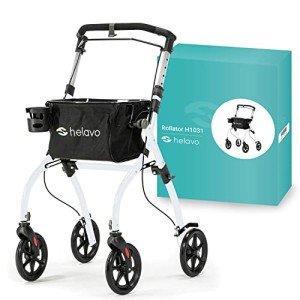
Advantages of Using a Rollator
The benefits of utilizing a rollator for seniors are numerous. Here are some crucial advantages:
- Enhanced Mobility: Rollators enable seniors to walk more with confidence and conveniently without the need to completely depend on others for support.
- Convenience: With integrated seats, users can take a break whenever they need to, thereby decreasing fatigue during outings or errands.
- Safety Features: Many rollators featured handbrakes that allow users to stop and secure the walker in place, decreasing the danger of falls.
- Storage Options: Some rollators come geared up with storage compartments or baskets, making it easier to bring personal items like purses, groceries, or medical supplies.
Kinds of Rollators
Rollators can be found in various designs customized to different needs and preferences. Here’s a breakdown of the most typical types:
| Requirement Rollator | Normally features 4 wheels and a comfortable seat for resting. | A lot of seniors needing fundamental support. |
| Indoor Rollator | Created for use inside the home, with slimmer frames for maneuverability. | Seniors requiring to navigate tight areas. |
| Heavy-Duty Rollator | Developed with a stronger frame to support higher weight capabilities. | Larger people who require strong support. |
| Lightweight Rollator | Made from lightweight products for easy transport and handling. | Seniors who take a trip regularly or need to raise the rollator. |
| Rollator with Seat | Features a seat incorporated into the frame, supplying a resting alternative. | Seniors who may tire quickly or enjoy longer strolls. |
| Three-Wheel Rollator | Offers maneuverability and is designed for tight spaces. | Seniors requiring to browse small locations. |
| Rollators with Accessories | Geared up with trays, baskets, or umbrellas for included convenience. | Seniors seeking extra functionality. |
Features to Consider When Buying a Rollator
When picking a rollator, various features can optimize the experience for seniors. Here’s a list of important features and factors to consider:
-
Weight Capacity
- Ensure the rollator can support the user’s weight conveniently.
-
Seat Height
- The seat ought to be at a comfortable height for the user, enabling easy access.
-
Deal With Height Adjustability
- Search for rollators with adjustable manages so that users can find their ideal height.
-
Brakes
- Hand brakes ought to be easy to engage and disengage, and they must lock securely.
-
Wheels
- Larger wheels can handle uneven outdoor surfaces much better than smaller sized ones.
-
Frame Material
- Lightweight frames are simpler to maneuver, particularly for seniors with decreased strength.
-
Portability
- Foldable rollators are easier to store or transport in an automobile.
-
Storage Options
- Search for baskets or trays for carrying items, boosting usefulness throughout trips.
-
Devices
- Some rollators come with included accessories like bags, cup holders, or perhaps a flashlight, which can boost use.
-
Style and Color
- Aesthetic preference is likewise necessary; selecting a rollator that appeals to the user can make a substantial difference in motivating regular use.
Often Asked Questions (FAQ)
Q1: Who should use a rollator?
- Rollators are perfect for people who have difficulty walking due to age, injury, or medical conditions such as arthritis or post-surgery healing.
Q2: How much do rollators normally cost?
- Prices for rollators can vary commonly, from around ₤ 70 to over ₤ 300, depending on features, materials, and brand.
Q3: Can rollators be utilized outdoors?
- Yes, many rollators are designed for both indoor and outdoor use. Look for designs with larger wheels for outdoor navigation.
Q4: Are rollators adjustable?
- A lot of rollators have adjustable handles and seat heights to accommodate different user sizes and preferences.
Q5: Do I require a prescription to buy a rollator?
- Typically, a prescription is not needed to purchase a rollator. Nevertheless, speaking with a doctor can use individualized recommendations.
Using a rollator can significantly improve the lifestyle for seniors, boosting their Advanced Mobility Aid while promoting self-reliance. When choosing the best rollator, consider factors such as weight capacity, height adjustability, and extra features to discover the best match. With the right rollator, seniors can enjoy higher liberty, confidence, and convenience in their lives. Whether for a walk in the park or running errands, a rollator might effectively be the key to preserving an active way of life as one ages.