
Reprogramming Car Key
Add a review FollowOverview
-
Posted Jobs 0
-
Viewed 1
Company Description
Reprogramming Car Key Tools To Ease Your Daily Lifethe One Reprogramming Car Key Trick That Every Person Should Learn
Reprogramming Car Keys: A Comprehensive Guide
In today’s hectic world, cars are a vital part of daily life, and the innovation behind car keys has progressed considerably for many years. Gone are the days of simple mechanical keys; modern-day cars often come geared up with sophisticated key fobs that not just unlock doors but likewise start the engine. Regrettably, these electronic keys can sometimes fail or require reprogramming. This short article will explore the ins and outs of reprogramming car keys, offering important info for car owners.

Understanding Car Key Types
Before diving into the reprogramming procedure, it’s vital to understand the different types of car keys. The most typical types consist of:
-
Traditional Mechanical Keys: The easiest kind of a car key, which runs the lock and ignition using a mechanical system.
-
Transponder Keys: These keys include a small chip that communicates with the car’s ignition system, making it harder for burglars to steal the vehicle.
-
Key Fobs: These remote-controlled devices enable keyless entry and might also permit for keyless ignition.
-
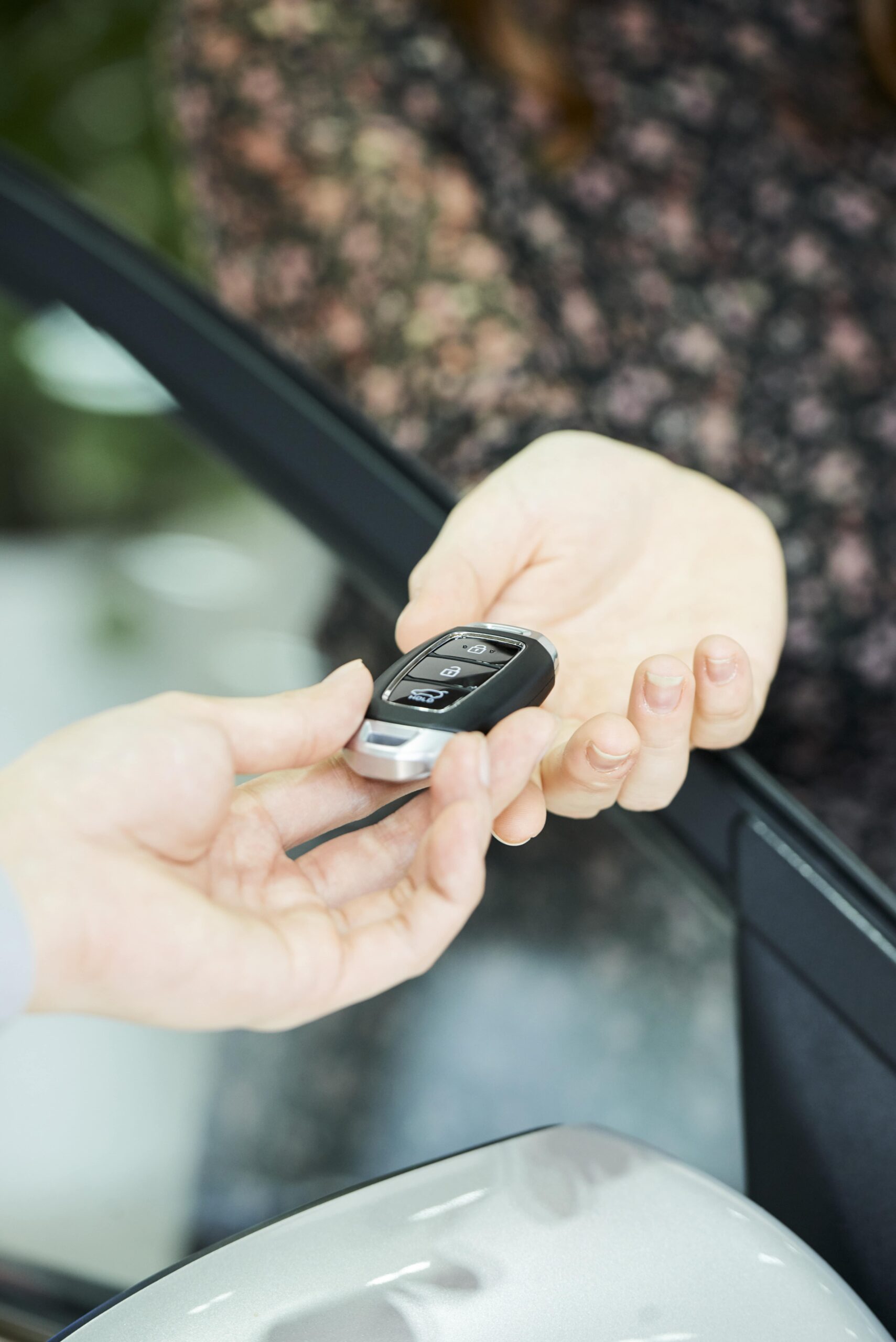
Smart Keys: Linked to innovative keyless entry systems, wise keys provide the supreme convenience, permitting the driver to begin the vehicle with the touch of a button.
Understanding these key types is essential as the programming steps can vary substantially.
Why Reprogramming is Necessary
Reprogramming a car key might be required for various reasons, including:
-
Lost or Stolen Keys: If a key is lost or believed to be stolen, Reprogramming Car Key is necessary to make sure the car stays protected.
-
Changing an Old Key: When a vehicle owner gets a new key, the old key might require to be programmed to avoid it from working.
-
Battery Replacement: Changing the battery in a key fob might sometimes need reprogramming to bring back performance.
-
Malfunctioning Key: If a key is malfunctioning, reprogramming might fix the issue.
Actions for Reprogramming Car Keys
The process of reprogramming a car key can vary considerably depending upon the make and model of the vehicle. Below is a generalized detailed guide, but it is always advised to describe the vehicle’s user handbook for comprehensive instructions.
-
Gather Necessary Equipment:
- The brand-new key or key fob
- The vehicle (ideally near the front door)
- The existing working key (if available)
-
Get Inside the Vehicle:
- Close all doors and ensure the vehicle is fully secured.
-
Insert the Key:
- For vehicles with standard keys, place the key into the ignition.
- For cars utilizing key fobs, ensure the fob is inside the car.
-
Turn the Ignition On and Off:
- Turn the key to the “on” position (not starting the engine) and after that off. Repeat this process numerous times (usually 5 times) to go into programming mode.
-
Observe the Indicators:
- Pay attention to the control panel lights. If a light blinks or remains on, it usually indicates that the car is in programming mode.
-
Program the New Key:
- Insert the brand-new key and turn it to the “on” position. Wait on any confirmation signals, which might include the locking and opening of doors or flashing of lights.
-
Evaluate the Key:
- After programming, test the brand-new key to guarantee it operates properly.
-
Repeat if Necessary:
- For cars that support several keys, you might require to repeat the programming procedure for each new key.
Table of Common Vehicle Makes and Programming Procedures
| Ford | Transponder Key | Insert existing key, turn to ‘on’, insert new key. |
| Honda | Key Fob | Insert key, turn to ‘on’, click lock button on fob. |
| Chevy | Smart Key | Insert key, press brake, and push begin button. |
| Toyota | Key Fob/Transponder | Place key, turn to ‘on’, hold ‘lock’ button on fob. |
| Nissan | Key Fob | Place existing key, switch on, press ‘lock’ button. |
Typical Issues During Reprogramming
While the procedure is normally uncomplicated, there prevail problems that can emerge during reprogramming:
-
Incorrect Sequence: Failing to follow the ignition sequence correctly can lead to failure to go into programming mode.
-
Faulty Key: If the brand-new key is malfunctioning or harmed, it might not program appropriately.
-
Vehicle Settings: Some cars require particular settings or conditions (like being in Park) for successful programming.
-
Missing out on Tools: Sometimes, additional tools or codes might be required, particularly for high-security systems.
Frequently asked questions
1. Can I reprogram my car key myself?
Yes, lots of vehicles allow owners to reprogram keys themselves, but the process can vary considerably depending on the make and model. Constantly refer to the vehicle’s user handbook for instructions.
2. What should I do if the reprogramming stops working?
If the programming does not work, confirm the sequence and the key’s condition. If problems continue, consult a professional locksmith professional or your dealer.
3. How much does it cost to reprogram a car key?
The cost can differ from ₤ 50 to ₤ 200 or more, depending on the make and design of the vehicle, and whether expert help is required.
4. Does reprogramming erase previous keys?
Sometimes, yes. If you’re reprogramming a new type in a security system that limits key access, the older keys might be rendered useless.
Reprogramming a car key is a valuable skill for any vehicle owner. Understanding the kinds of keys, the need for reprogramming, and the basic steps involved can conserve time and cash, making sure that your vehicle stays available and secure. While DIY services exist, when in doubt, expert help can help reduce the tension and intricacy of reprogramming car keys. Constantly guarantee you have the right tools and comprehend your vehicle’s particular requirements to guarantee effective programming.