

Best Stationary Bikes For Exercise
Add a review FollowOverview
-
Posted Jobs 0
-
Viewed 14
Company Description
Exercise Bike Tips From The Most Successful In The Business
The Comprehensive Guide to Exercise Bikes: Benefits, Types, and Best Practices
Exercise bikes have actually penetrated the fitness market, working as effective tools for cardiovascular workouts, rehabilitation, and weight management. With their ability to reproduce outside cycling experiences while supplying a regulated environment, exercise bikes accommodate users of all fitness levels. This short article explores the different kinds of exercise bikes, their advantages, and the best practices to optimize your workout session.
Benefits of Using an Exercise Bike
-
Cardiovascular Health: Regular usage of an exercise bike considerably enhances cardiovascular fitness. It increases heart rate and blood circulation, promoting healthier lungs and heart.
-
Low Impact on Joints: exercise equipment for legs bikes offer a low-impact workout choice. Unlike running or jogging, biking minimizes tension on the knees, hips, and back, making it suitable for individuals with joint pain or those recuperating from injuries.
-
Caloric Burn: An energetic cycling session can burn a considerable variety of calories, helping in weight-loss and management. For circumstances, a 155-pound person can burn approximately 260 calories in 30 minutes of vigorous cycling.
-
Muscle Strengthening: While primarily a cardiovascular workout, cycling also reinforces and tones the muscles in the legs, glutes, and core. Adjusting the resistance can further challenge the muscles.
-
Convenience: Exercise bikes offer unmatched benefit. Users can exercise in the convenience of their own homes, making it easier to keep a consistent fitness routine.
-
Versatile Workouts: With stationary bicycle, users can participate in various exercise styles, from high-intensity period training (HIIT) to steady-state cardio, accommodating divergent fitness objectives.
Types of Exercise Bikes
Comprehending the different kinds of exercise bikes on the market helps possible purchasers make notified choices based on their fitness needs and spending plan.
| Upright Bike | Similar to traditional bikes, these bikes provide a basic biking posture. | General fitness enthusiasts |
| Recumbent Bike | Offers a reclined position with a larger seat. | Individuals with back issues |
| Spin Bike | Developed for high-intensity biking classes; typically geared up with a flywheel for resistance. | Fitness class individuals |
| Air Bike | Integrates limb workouts; features a fan for cooling and increased resistance. | Professional athletes and HIIT lovers |
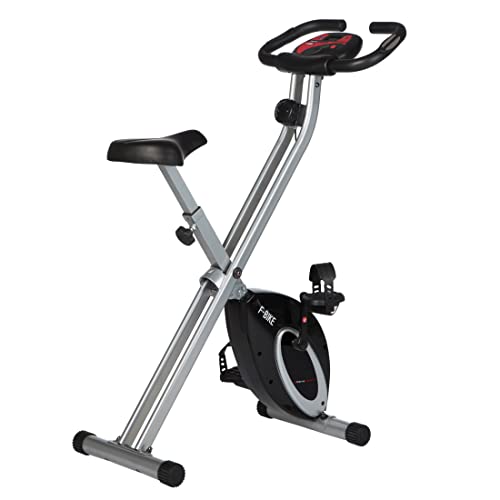
| Collapsible Bike | Compact and space-efficient; quickly kept when not in use. | People with limited space |
Table: Pros and Cons of Different Types of Exercise Bikes
| Upright Bike | Compact, budget friendly, versatile | Less comfortable for long rides |
| Recumbent Bike | Comfy, lower back assistance | Takes up more area |
| Spin Bike | Excellent for high-intensity exercises | Can be more costly |
| Air Bike | Full-body exercise, adjustable resistance | Can be noisy |
| Foldable Bike | Space-saving, easy to save | May do not have durability |
Best Practices for Using an Exercise Bike
To enhance the benefits of exercising with a bike, users must follow certain guidelines:
-
Proper Setup: Ensure that the seat height and handlebar position are properly gotten used to fit your body. An inappropriate fit can result in injury and discomfort.
-
Warm-Up: Always take 5-10 minutes to warm up before diving into an exercise. This assists to prepare your muscles and joints for the activity.
-
Stay Hydrated: Keep a water bottle close by. Hydration is essential to maintaining endurance and performance throughout the exercise.
-
Preserve Correct Posture: Keep your back straight and core engaged while cycling. Avoid leaning too far forward or plunging as it can lead to strain.
-
Blend Workouts: Variety is necessary for avoiding plateaus and keeping exercises exciting. Alternate between steady-state sessions and interval training.
-
Listen to Your Body: Always take notice of how your body feels throughout and after workouts. Change strength levels as required to prevent overexertion.
Frequently Asked Questions (FAQs)
Q1: How typically should I utilize an exercise bike to see outcomes?A1: For optimum outcomes, go for at least 150 minutes of moderate-intensity cardio or 75 minutes of high-intensity cardio per week.
Q2: Can anyone utilize a stationary bicycle?A2: Yes, stationary bicycle are appropriate for all fitness levels. Nevertheless, people with particular health concerns must speak with a physician or fitness expert before starting a new exercise regimen.
Q3: What is the difference in between a recumbent bike and an upright bike?A3: Recumbent bikes offer a reclined seating position, providing back assistance and comfort, while upright bikes mimic the posture of standard cycling, engaging the core more extremely.
Q4: How do I keep my stationary bicycle?A4: Regularly examine and clean up the bike, look for loose screws, and pay attention to the resistance system. Routine upkeep extends the lifespan of the equipment.
Q5: What are some suggestions for choosing the right exercise bike?A5: Consider factors like your fitness goals, available area, budget plan, and personal convenience. Test ride various models to find the very best suitable for you.
Stationary bicycle stay a popular choice for home fitness centers and fitness centers alike, offering a myriad of advantages customized to users’ individual fitness goals. Understanding the numerous types, advantages, and finest practices can assist users make informed choices and optimize their biking exercises. Whether one looks for to improve cardiovascular health, develop strength, or drop weight, incorporating regular sessions on an exercise bike can yield enduring favorable results on general well-being.