

Cot For Sale
Add a review FollowOverview
-
Posted Jobs 0
-
Viewed 68
Company Description
An Easy-To-Follow Guide To Choosing Your Baby Cot To Bed
Transitioning from Baby Cot to Bed: A Comprehensive Guide for Parents
The journey from a baby cot to a bed marks a considerable turning point in a kid’s advancement. It represents independence and an action towards maturing. However, this shift can frequently be daunting for both parents and children. Comprehending the procedure, the best timing, and how to make the shift smoother can considerably assist in this journey. This short article explores the important to think about when transitioning your child from a cot to a bed, consisting of common FAQs, ideas, and a structured strategy to guarantee the process is as smooth as possible.
Why Transition from a Cot to a Bed?
Developmental Milestones
Transitioning to a bed is generally triggered by a number of factors:
-
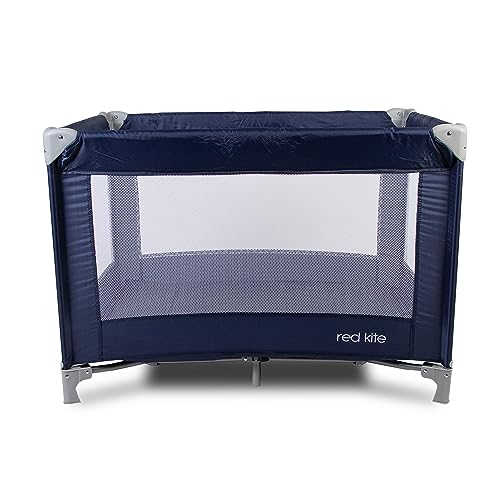
Physical Growth: As children grow, they outgrow their cots. The typical size for a convertible Infant Cot Bed is generally suggested for babies up to 3 or 4 years old.
-
Cognitive Development: As young children end up being more curious and knowledgeable about their surroundings, they might try to climb out of their cots, posing security risks.
-
Potty Training: Once a kid is potty trained, they may need much easier access to the restroom, which a bed can facilitate.
-
Brother or sisters: The arrival of a brand-new sibling can also require this transition, as the cot may require to be maximized.
When to Make the Transition
There is no one-size-fits-all answer to when a kid must transition from a cot to a bed. Nevertheless, here are some indications that it may be time:
- Climbing Out: If the kid is attempting to climb up out often.
- Age Consideration: Many experts suggest this transition around the age of 2 to 3 years, although every child is special.
- Required for Independence: Children might express a desire for a big-kid bed.
Kinds Of Beds Suitable for Toddlers
Not all beds are created equal when it concerns children. Here’s a breakdown of appropriate bed types:
| Toddler Bed | Smaller, lower to the ground, often with side rails. | Size-appropriate for toddlers; stability. | Minimal life-span as they grow out of quickly. |
| Single Bed | Standard size bed meant for older kids. | Lasts longer; can be used for years. | Might be too huge for a toddler; danger of falling. |
| Convertible Crib | Crib that transforms into a young child bed. | Versatile; saves money in the long run. | Can be pricey; some may not offer full-sized alternatives. |
| Loft Bed | Raised bed with area underneath for play or storage. | Makes the most of area; enjoyable for kids. | Not appropriate for very young kids; security concerns. |
Steps to Transition Smoothly
Transitioning to a bed can be simplified with cautious preparation. Here’s a step-by-step guide:
1. Prepare the Space
- Select a Location: Decide where the bed will be put.
- Childproof the Room: Since kids are naturally curious, make sure that furnishings is steady, sharp edges are covered, and unsafe items are out of reach.
- Keep Familiar Items: Retain preferred toys and bed linen to provide convenience in the new environment.
2. Present the Bed
- Include Your Child: Let your child aid choose their bed or bed linen to develop excitement.
- Describe the Transition: Make them comprehend that they are ending up being a big kid by having a big-kid bed. Usage motivating language.
3. Make the Swap
- Bedtime Routine: Keep the bedtime routine constant. This produces familiarity and convenience during the transition.
- Support: Offer them reassurance but prevent being overly protective; it’s important to motivate self-reliance.
4. Address Fears and Concerns
- Discuss Fears: Children may have fears of falling or the dark; talk about these freely.
- Reinforce Safety: Use guard rails on the bed initially and discuss what to anticipate throughout the night.
5. Display and Adapt
- Be Patient: It might take some time for your child to change completely.
- Stay Consistent: Maintain the nighttime routine, even when difficulties develop.
Frequently Asked Questions Regarding Transitioning from Cot to Bed
Q1: How long does the shift from a cot to a bed generally take?
A1: The transition can vary significantly amongst kids– ranging from a few days to a few weeks– as they adapt to oversleeping a new space.
Q2: Should I buy an unique toddler bed?
A2: Investing in a young child bed can make the shift easier since they are designed with security in mind; nevertheless, if you choose to go directly to a single bed, that can work too with the ideal precaution.
Q3: What if my child keeps getting out of bed?
A3: This is typical! Motivate them to remain in bed and develop positive support by rewarding them for remaining in bed through the night.
Q4: Is it all right to transition to a huge bed too early?
A4: Transitioning too early can lead to sleep disruptions. It’s important to assess the readiness of the kid based on their indications and advancement.
Transitioning from a baby cot to a bed is a significant action for both children and moms and dads. With thoughtful preparation and understanding of the kid’s needs, parents can make the shift smoother and more pleasurable. By recognizing when to make the shift, understanding the kinds of beds offered, and keeping a consistent regimen, parents can ease fears and promote a complacency for their child during this amazing new chapter. Ultimately, every kid is various, and perseverance is type in making this journey a favorable experience.