

Best 3 Wheel Pushchair
Add a review FollowOverview
-
Posted Jobs 0
-
Viewed 12
Company Description
Nine Things That Your Parent Teach You About Three Wheeled Stroller
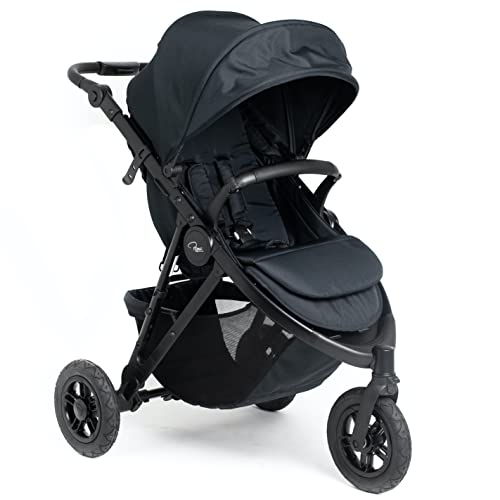
Exploring the World of 3-Wheeler Buggies: The Perfect Blend of Fun and Functionality
Intro
In the last few years, 3-wheeler buggies have actually risen in popularity amongst adventure hunters, hobbyists, and those who appreciate distinct modes of transportation. These lorries, identified by their lightweight style, exceptional maneuverability, and attractive aesthetics, offer an exciting driving experience appropriate for different surfaces. This article explores the intricacies of 3-wheeler buggies, highlighting their benefits, crucial functions, and considerations for prospective purchasers.
What Are 3-Wheeler Buggies?
3-wheeler buggies are versatile cars created for off-road adventures, leisure rides, and often even useful transportation. Usually, they include a single front wheel and 2 rear wheels, or vice versa, producing a distinctive silhouette.
Key Features of 3-Wheeler Buggies
- Design Variability: Ranging from stylish to practical, the design choices are large.
- Lightweight Frame: Enhanced fuel efficiency and simpler handling.
- Flexible Terrain Capability: Provides a thrilling trip on different surface areas, consisting of dirt, gravel, and pavement.
- Compact Size: Easy to browse through tight spaces and urban environments.
- Economical Pricing: Often cheaper than traditional four-wheeled cars.
Benefits of 3-Wheeler Buggies
| Stability | A larger wheelbase offers stability, decreasing the probability of rollover mishaps. |
| Maneuverability | The lightweight and compact design enables for fast turns and simple navigation. |
| Cost-Effective | Normally, lower purchase rates and decreased maintenance expenses compared to four-wheel automobiles. |
| Fuel Efficiency | Typically, 3-wheeler buggies take in less fuel due to their lighter weight and engine sizes. |
| Fun Factor | Supplies an exciting trip experience, making it popular for recreational use. |
Types of 3-Wheeler Buggies
While there are various designs on the market, Three Wheeled Stroller primary classifications of 3-wheeler buggies stick out:
1. Leisure Buggies
These are developed mostly for fun and pastime. They are equipped with comfy seating and are typically used for off-road experiences.
Example Models:
| Polaris Ace 900 | EFI 4-stroke | 50 miles per hour | ₤ 10,000 – ₤ 12,000 |
| Can-Am Spyder | Rotax 3-cylinder | 115 mph | ₤ 20,000 – ₤ 30,000 |
| Campagna T-Rex | Kawi 4-cylinder | 130 mph | ₤ 50,000 – ₤ 60,000 |
2. Energy Buggies
These are frequently more rugged and are designed for farming or commercial purposes. They may come equipped with different accessories for included functionality.
Example Models:
| Yamaha Viking | 3-cylinder | 600 lbs | ₤ 12,000 – ₤ 16,000 |
| John Deere Gator | Gas/Diesel | 1,000 lbs | ₤ 9,000 – ₤ 17,000 |
| Honda Pioneer | EFI 4-stroke | 1,000 lbs | ₤ 11,000 – ₤ 14,000 |
3. Racing Buggies
These automobiles are developed for speed and dexterity, boasting lightweight frames and boosted efficiency functions for competitive driving.
Example Models:
| Polaris RZR XP 1000 | 999cc ProStar | 80 mph | ₤ 20,000 – ₤ 24,000 |
| Arctic Cat Wildcat | 700cc EFI | 70 mph | ₤ 15,000 – ₤ 20,000 |
| Can-Am Maverick | Rotax 1000cc | 85 miles per hour | ₤ 18,000 – ₤ 23,000 |
Crucial Considerations When Buying a 3-Wheeler Buggy
- Purpose of Use: Determine how you prepare to use the buggy. Recreational, utility, or racing cars differ substantially in design and capability.
- Spending plan: Assess just how much you are prepared to invest, thinking about both preliminary price and ongoing maintenance expenses.
- Security Features: Look for integrated safety functions such as roll bars, safety belt, and advanced braking systems.
- Storage and Space: Ensure you have sufficient area for storage, as some designs are bulkier than others.
- Authorization and Regulations: Check regional guidelines relating to making use of 3-wheeler buggies on public roads or off-road locations.
FAQs About 3-Wheeler Buggies
1. Can 3-wheeler buggies be driven on public roads?
It depends upon regional policies. Lots of locations allow them on specific roadways, while others need specific licensing or licenses. Always inspect your regional laws before acquiring.
2. What is the typical life expectancy of a 3-wheeler buggy?
With correct upkeep, a 3-wheeler buggy can last anywhere from 10 to 15 years, though this can differ based on usage, brand name, and design.
3. Are 3-wheeler buggies safe?
While many come geared up with robust safety features, security may differ by model. It is important to use security equipment and follow all safety regulations to lessen risks.
4. What upkeep do 3-wheeler buggies need?
Regular maintenance includes oil modifications, checking brakes and tires, and ensuring that all electrical parts are working appropriately. Refer to the owner’s handbook for specific assistance.
5. Are parts and accessories easily available?
Yes, the majority of makers offer a range of parts and accessories for their designs. In addition, third-party suppliers frequently bring compatible options.
3-wheeler buggies embody the perfect mix of enjoyment and performance, interesting a broad audience drawn to their unique designs and flexible applications. Whether for racing, leisure, or utility, these cars offer thrilling experiences that conventional four-wheeled lorries might not provide. As interest in alternative forms of transportation continues to grow, the popularity of 3-wheeler buggies is likely to rise, using lovers many adventures ahead. If you’re thinking about including one to your collection, comprehending your needs and looking into readily available options is necessary for making an informed purchase.