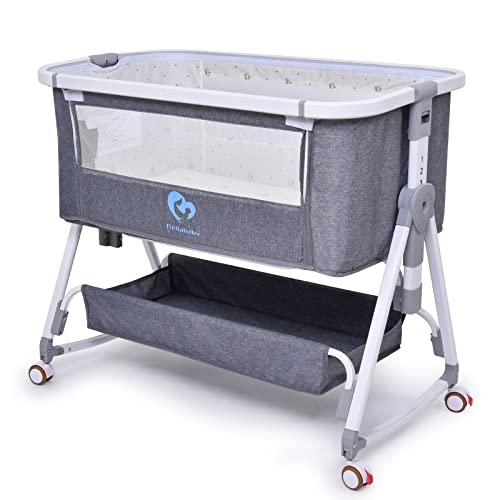
Baby Crib
Add a review FollowOverview
-
Posted Jobs 0
-
Viewed 5
Company Description
What Baby Cot To Bed Experts Want You To Know
Transitioning from Baby Cot to Bed: A Comprehensive Guide for Parents
The journey from a baby cot mattress types to a bed marks a significant milestone in a kid’s advancement. It represents independence and an action towards growing up. Nevertheless, this shift can frequently be daunting for both moms and dads and kids. Understanding the process, the ideal timing, and how to make the shift smoother can considerably assist in this journey. This article checks out the basics to consider when transitioning your child from a cot to a bed, consisting of common FAQs, pointers, and a structured strategy to ensure the process is as seamless as possible.
Why Transition from a Cot to a Bed?
Developmental Milestones
Transitioning to a bed is usually prompted by several factors:
-
Physical Growth: As children grow, they outgrow their cots. The average size for a convertible cot is usually suggested for infants approximately 3 or 4 years old.
-
Cognitive Development: As toddlers become more curious and knowledgeable about their surroundings, they might attempt to climb out of their cots, posturing security dangers.
-
Potty Training: Once a kid is potty trained, they might require much easier access to the bathroom, which a bed can help with.
-
Siblings: The arrival of a brand-new sibling can also necessitate this transition, as the cot may need to be maximized.
When to Make the Transition
There is no one-size-fits-all response to when a child need to transition from a cot to a bed. However, here are some signs that it might be time:
- Climbing Out: If the kid is attempting to climb up out frequently.
- Age Consideration: Many experts recommend this shift around the age of 2 to 3 years, although every child is special.
- Required for Independence: Children might reveal a desire for a big-kid bed.
Kinds Of Beds Suitable for Toddlers
Not all beds are developed equal when it concerns young kids. Here’s a breakdown of ideal bed types:
| Toddler Bed | Smaller sized, lower to the ground, typically with side rails. | Size-appropriate for toddlers; stability. | Minimal life-span as they outgrow quickly. |
| Single Bed | Standard size bed indicated for older children. | Lasts longer; can be utilized for many years. | Might be too big for a young child; threat of falling. |
| Convertible Crib | Crib that transforms into a young child bed. | Versatile; conserves cash in the long run. | Can be costly; some might not provide full-sized choices. |
| Loft Bed | Raised bed with area underneath for play or storage. | Takes full advantage of area; enjoyable for kids. | Not ideal for extremely young children; security concerns. |
Steps to Transition Smoothly
Transitioning to a bed can be simplified with cautious preparation. Here’s a step-by-step guide:
1. Prepare the Space
- Select a Location: Decide where the bed will be put.
- Childproof the Room: Since kids are naturally curious, guarantee that furniture is steady, sharp edges are covered, and dangerous products run out reach.
- Keep Familiar Items: Retain favorite toys and bed linen to offer comfort in the brand-new environment.
2. Introduce the Bed
- Involve Your Child: Let your child aid choose their bed or bed linen to produce excitement.
- Explain the Transition: Make them understand that they are ending up being a big kid by having a big-kid bed. Use encouraging language.
3. Make the Swap
- Bedtime Routine: Keep the bedtime regular consistent. This develops familiarity and comfort during the transition.
- Assistance: Offer them reassurance however prevent being excessively protective; it’s important to encourage independence.
4. Address Fears and Concerns
- Speak about Fears: Children may have worries of falling or the dark; talk about these openly.
- Strengthen Safety: Use guard rails on the bed at first and discuss what to anticipate during the night.
5. Monitor and Adapt
- Be Patient: It may take some time for your kid to change fully.
- Stay Consistent: Maintain the nighttime regimen, even when problems emerge.
Frequently Asked Questions Regarding Transitioning from Cot to Bed
Q1: How long does the transition from a cot to a bed typically take?
A1: The transition can vary significantly amongst children– varying from a few days to a few weeks– as they adapt to sleeping in a brand-new space.
Q2: Should I buy an unique toddler bed?
A2: Investing in a toddler bed can make the shift much easier given that they are developed with security in mind; nevertheless, if you prefer to go directly to a single bed, that can work too with the ideal precaution.
Q3: What if my kid keeps rising?
A3: This is typical! Encourage them to remain in bed and establish favorable reinforcement by rewarding them for remaining in bed through the night.
Q4: Is it okay to transition to a huge bed too early?
A4: Transitioning too early can cause sleep disturbances. It’s vital to examine the readiness of the kid based upon their indications and development.
Transitioning from a baby cot to a bed is a substantial step for both children and moms and dads. With thoughtful preparation and understanding of the child’s needs, parents can make the shift smoother and more pleasurable. By acknowledging when to make the shift, comprehending the kinds of beds readily available, and keeping a constant regimen, moms and dads can reduce worries and foster a sense of security for their little one during this interesting brand-new chapter. Eventually, every child is different, and perseverance is crucial in making this journey a favorable experience.